
Essential Japanese Phrases For Your First Trip To Tokyo

Author
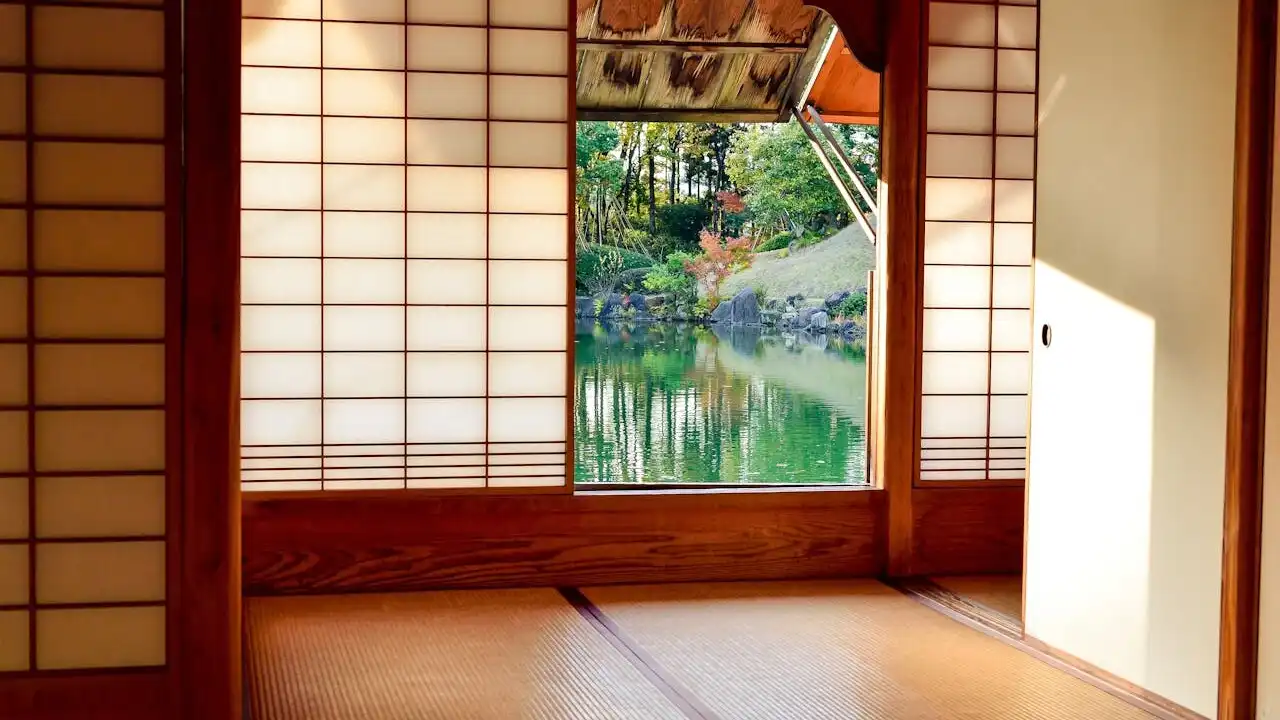
Tokyo is a massive, bustling, and beautiful city.
While many signs are in English and some locals speak a little English, knowing a few essential Japanese phrases will make your trip much smoother. It’ll also help you connect with the people you meet.
You should always learn a whole Japanese phrase as one piece, rather than focusing on the grammar rules behind every single word. That’s exactly what we’re going to do today.
Also, a quick note on regional variations: Tokyo locals speak Standard Japanese (hyojungo). Unlike Osaka or Kyoto which have strong regional dialects (Kansai-ben), the Japanese you learn in standard textbooks is exactly what you’ll hear on the streets of Tokyo.
Here are the most useful phrases you need to know before you land at Narita or Haneda airport.
Table of Contents:
Greeting people in Tokyo
In a busy city like Tokyo, a polite greeting goes a long way.
Depending on the time of day, there are three main greetings you should memorize. You can use these with hotel staff, convenience store clerks, and anyone you meet.
おはようございます。
こんにちは。
こんばんは。
Notice the word gozaimasu in “good morning.” This makes the phrase polite. You should always use the polite form with people you don’t know.
Saying thank you and excuse me
If you only learn one word before going to Tokyo, make it sumimasen.
Sumimasen is a magic word in Japanese. It means “excuse me,” “I’m sorry,” and sometimes even “thank you.”
You’ll use it to get a waiter’s attention, to apologize if you bump into someone on a crowded train, or to ask a stranger for help.
すみません。
When someone helps you, hands you your change, or holds a door, you’ll want to say thank you. The polite way to do this is arigatou gozaimasu.
ありがとうございます。
Ordering food at a Tokyo restaurant
Tokyo has some of the best food in the world, from tiny ramen shops to fancy sushi restaurants.
To order anything, all you need is the item you want, followed by o kudasai (please give me). If you don’t know the Japanese word for the food, you can just point to the menu and say kore (this).
これをください。
お水をください。
Here’s a quick table of useful restaurant vocabulary you can use with this phrase:
| English | Romaji (Pronunciation) | Japanese |
|---|---|---|
| Menu | Menyuu | メニュー |
| English menu | Eigo no menyuu | 英語のメニュー |
| Water | Omizu | お水 |
| Bill / Check | Okaikei | お会計 |
When you finish your meal and want to pay, you can catch the waiter’s eye, say sumimasen (excuse me!), and then ask for the bill:
お会計をお願いします。
Navigating the Tokyo train system
Stations like Shinjuku, Shibuya, and Tokyo Station are massive. It’s very normal to get lost!
When you need to find a place, you can use a very simple sentence pattern: [Place] wa doko desu ka? This translates to “Where is [Place]?”
駅はどこですか?
トイレはどこですか?
出口はどこですか?
If a local gives you directions that you don’t quite understand, just smile, bow slightly, say arigatou gozaimasu, and follow the general direction they pointed in!
Essential shopping phrases
Whether you’re buying anime figures in Akihabara, fashion in Harajuku, or snacks at a 7-Eleven, you’ll need to know how to buy things.
To ask for the price of an item, you can point to it and ask:
これはいくらですか?
Japan used to be a cash-only society, but today, credit cards and digital payments are much more common in Tokyo. However, it’s always smart to ask if cards are accepted before you try to pay.
カードは使えますか?
Japanese people are incredibly polite and appreciate any effort you make to speak their language.
To review, your top 5 survival phrases are:
- Konnichiwa (Hello)
- Sumimasen (Excuse me)
- Arigatou gozaimasu (Thank you very much)
- Kore o kudasai (This, please)
- …wa doko desu ka? (Where is…?)
If you found this guide helpful, be sure to check out my other beginner guides:
- How to read hiragana and katakana
- Essential Japanese etiquette tips
- How to introduce yourself in Japanese
