
Learning Japanese For Travel Will Completely Transform Your Trip

Author
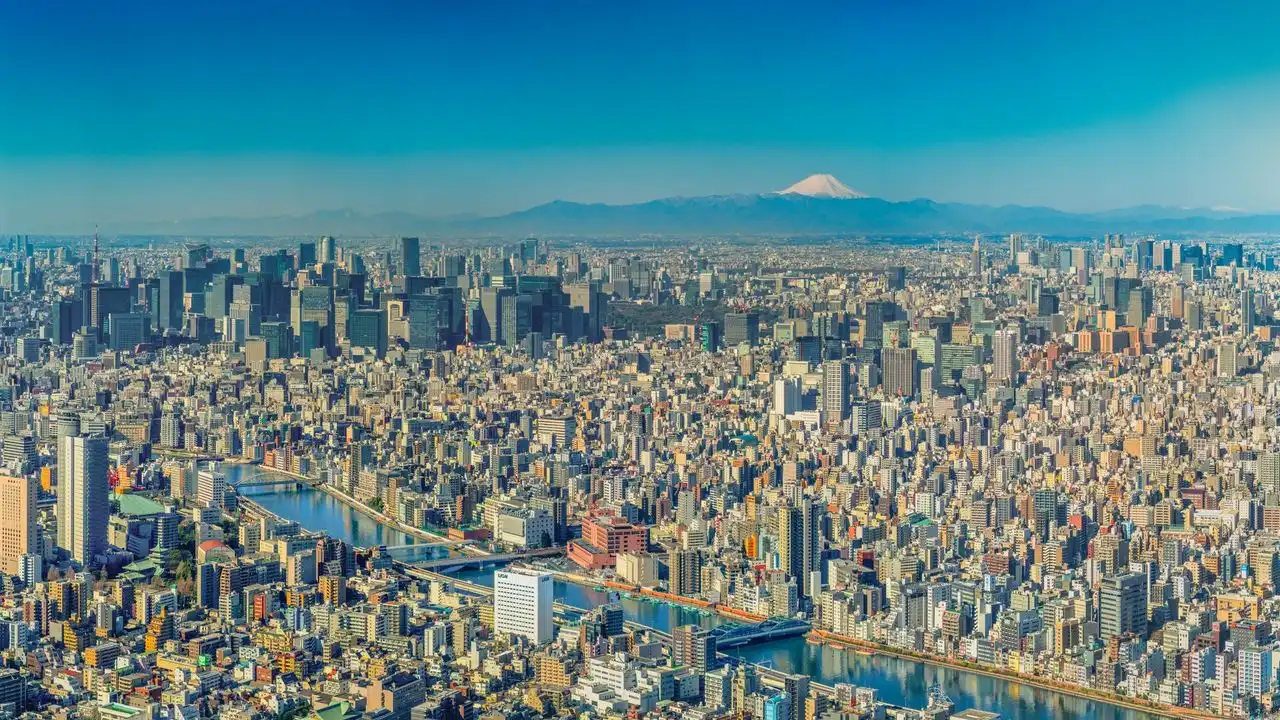
Visiting Japan is a life-changing experience, but speaking the language elevates it entirely.
Learning Japanese for travel completely transforms your trip from a standard vacation into a deeply immersive adventure.
Many tourists rely solely on translation apps and point-and-gesture communication.
Taking the time to learn basic Japanese changes how locals treat you and how you experience the culture.
I’m going to explain exactly how knowing the language impacts your journey and share some essential travel phrases.
Table of Contents:
Breaking down the language barrier
Japan is a highly accommodating country for tourists.
However, English isn’t widely spoken outside of major tourist hubs like Tokyo and Kyoto.
When you step off the beaten path, English signs and menus quickly disappear.
Knowing basic Japanese vocabulary allows you to read simple signs or ask for directions.
You’ll feel much more confident navigating complicated train stations.
Ordering food at a small, authentic local restaurant becomes an enjoyable experience rather than a stressful guessing game.
Even a small amount of language knowledge makes traveling significantly smoother.
Making genuine connections with locals
Japanese people highly respect tourists who make an effort to speak their language.
Speaking just a few words shows that you respect and appreciate their culture.
This simple effort often breaks the ice and brings out incredible hospitality.
You’ll find that locals become much more eager to help you or recommend their favorite local spots.
Small talk with a chef at an izakaya or a shop owner in a rural village is often the highlight of a trip.
These meaningful interactions are nearly impossible if you only speak English.
Navigating regional dialects in Japan
Standard Japanese is understood perfectly everywhere in the country.
You’ll learn standard Japanese, known as hyoujungo, in almost every textbook or course.
However, you’ll hear different regional dialects depending on where you travel.
The most famous variation is Kansai-ben, which is spoken in regions like Osaka, Kyoto, and Nara.
Recognizing these local variations makes your trip much more fun.
For example, standard Japanese uses arigatou for “thank you”.
In Osaka, you’ll frequently hear locals say ookini instead.
Another common difference is how people ask for the price of an item.

いくらですか?
なんぼですか?
Using a local dialect phrase like ookini will immediately bring a huge smile to a shopkeeper’s face.
Essential Japanese phrases for your trip
You don’t need to be fluent to have a transformative trip.
Learning a few key phrases will get you through the majority of daily travel situations.
Here are the most helpful phrases you should practice before your flight.
すみません。
トイレはどこですか?
これをください。
英語を話せますか?
It’s also extremely helpful to memorize some basic travel vocabulary.
Here’s a quick reference table of essential words you’ll hear constantly during your trip.
| English | Japanese (Romaji) | Japanese (Kana/Kanji) |
|---|---|---|
| Train | Densha | 電車 |
| Station | Eki | 駅 |
| Water | Mizu | 水 |
| Convenience store | Konbini | コンビニ |
| Menu | Menyuu | メニュー |
Putting a little time into learning Japanese before you travel is highly rewarding.
You’ll navigate the country smoothly and connect with the culture on a deeper level.
